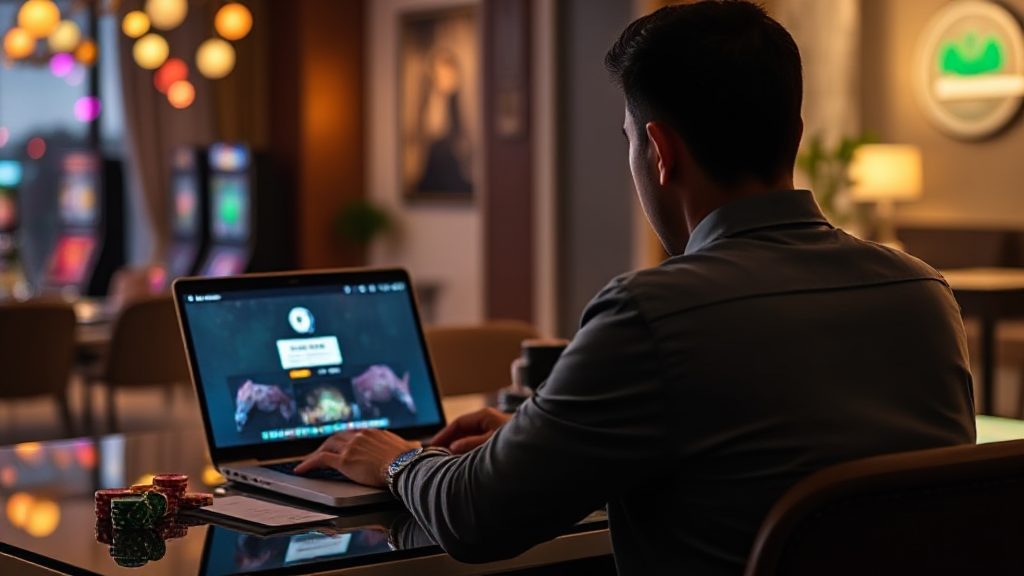
Alternative Login Links Explained: A Safer Access Checklist
You tap your bookmark, the spinner turns, and nothing happens. The page times out, or a blank error screen appears, and your evening plans are stuck at the door. For players on onicplay, that moment is usually the reason people start searching for an alternative login link instead of waiting for the main domain to recover.
This guide explains what those alternative links actually are, why they exist, and how to judge one before you type in your username. The goal is simple: get back to your account without handing your credentials to the wrong page.
Why the Main Domain Sometimes Fails
Online platforms in Indonesia sit behind a moving set of network conditions. Internet service providers filter domains, DNS records go stale, and servers get overloaded during peak evening hours. When any of those happen, the official address can look broken even though the service itself is running normally.
That is the gap alternative links are built to fill. They are additional web addresses that route to the same ONICPLAY platform, so your account, balance, and game history stay exactly where they were. Nothing is migrated and nothing is duplicated.
What an Alternative Link Is Not
An alternative link is not a second account, a mirror site with different rules, or a shortcut that changes your balance. It is a different front door to the same building. If a page asks you to register again from scratch, that is a warning sign, not a feature.
It also is not a permanent replacement for the official address. Most players keep one working alternative saved and return to the main domain once it resolves.
The Access Problem, Step by Step
Most access failures follow a predictable pattern, and knowing the pattern saves time. Work through these steps before assuming your account has a problem.
- Confirm the outage is not local. Try a different browser or switch from Wi-Fi to mobile data. If the page loads on one connection, the issue is your network, not the platform.
- Clear the cached redirect. Old DNS entries and browser caches can keep sending you to a dead address long after the real one is live.
- Check the official communication channel. Promotions pages, social channels, and support contacts usually publish the current working address when the main domain is rotating.
- Use the alternative link and log in normally. Your existing credentials should work unchanged.
If all four steps fail, contact support before trying random links from search results. A five-minute wait for a verified address beats an hour of untangling a compromised account.
A Pre-Login Safety Checklist
Speed matters when you are impatient, but a few seconds of checking prevents most bad outcomes. Run this list every time you use an unfamiliar address.
- Verify the source. The link should come from an official ONICPLAY channel, not a random forum post or a shortened URL from a stranger.
- Look at the address bar. The domain should resemble the official one and use HTTPS. Small spelling changes are the most common trick.
- Expect a normal login form. A page that asks for your password, PIN, and a one-time code all at once before you have even seen the lobby deserves suspicion.
- Never share credentials in chat. No legitimate support agent needs your password to fix an access issue.
- Bookmark the working link. Save it once verified so you are not searching again next week.
These checks take less than a minute and cover the vast majority of realistic risks. The players who get burned are almost always the ones who skipped them under time pressure.
What to Do If a Link Feels Wrong
Close the tab. Do not “test” your login to see what happens. If you already entered credentials on a page you now distrust, change your password through the official site immediately and review your account activity for anything you did not authorize.
Report the suspicious address to support so other players can be warned. A quick report is a small effort that protects the wider community.
Staying Safe While You Play
Access is only one part of security. The habits around your account matter just as much as the link you click. Use a unique password that you do not reuse on email or social media, and enable any additional verification the platform offers.
Keep your device updated and avoid logging in over public Wi-Fi when you can use mobile data instead. Log out when you finish a session on a shared device, and check your session history if the platform provides one.
Finally, treat urgency as a red flag. Messages claiming your account will be locked unless you log in through a special link are a classic pressure tactic. The genuine onicplay platform does not need to threaten you into clicking.
Alternative login links solve a real, everyday problem for players whose main domain is blocked or slow. Used carefully, with a verified source and a quick address-bar check, they are a practical tool rather than a risk. Save the working address, keep your credentials private, and the next time a page refuses to load, you will already know exactly what to do.
Leave a Reply